

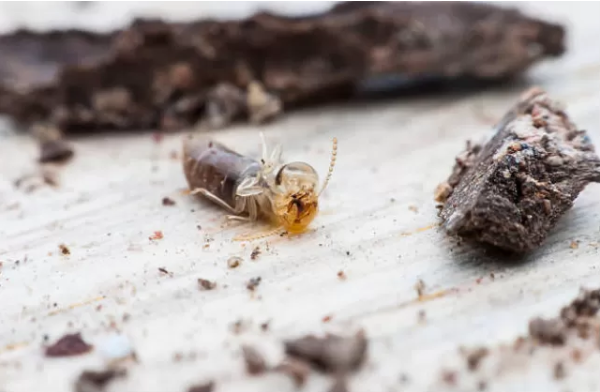
Termites quietly destroy Singapore homes across Singapore, thriving in our humid environment and wooden structures, and costing homeowners millions each year according to NParks data. It’s crucial to spot the subtle signs early. Professionals like Aardwolf Pestkare employ advanced detection methods and proven treatments, such as soil barriers, baits, and annual check-ups, to eliminate termites permanently. Professional pest control experts confirm termite infestation, implement swift professional termite treatment, prevent reoccurrences, and ensure your home remains termite-free.
Key Takeaways:
- Professionals in Singapore use advanced detection like moisture meters and thermal scanners to confirm termite infestation early, preventing extensive structural damage to homes.
- Reliable termite treatment includes soil treatment, liquid termiticides, and termite bait stations, effectively eliminating termite colony while minimizing environmental impact. Research on common subterranean termite species of Singapore published on ResearchGate highlights their prevalence in local habitats.
- Annual inspections and preventive measures, such as fixing leaks and wood treatments, ensure long-term termite protection for Singapore homes.
Why Singapore Homes Are So Vulnerable to Termites
Singapore homes, from HDB flats in Tampines and Bedok to landed properties in Serangoon Gardens and Ang Mo Kio, are prime targets for termites singapore due to our humid environment that fosters subterranean termites and drywood termites feeding on cellulose materials in wooden structures.
High moisture from leaking faucets and poor crawl spaces attics ventilation creates ideal conditions for termite nests to thrive. These pests are drawn to cellulose materials like timber frames and furniture. In areas like Punggol, infested trees near homes often spread colonies underground.
Soil grading issues allow Termites to build mud tubes directly against foundations, worsening vulnerability in our tropical climate. White ants, another name for these destructive insects, exploit attics ventilation with poor ventilation. Professionals stress moisture control as key to termite prevention.
Without proper professional termite treatment, small issues escalate to severe structural damage. Experts from Aardwolf Pestkare recommend regular termite inspection for termite species attraction in Singapore homes. Early action prevents costly termite infestations.
Subtle Signs You Might Already Have a Termite Problem
Spotting subtle termite signs early can save your Singapore homes from major termite infestation, look out for mud tubes, discarded wings, termite droppings like frass sawdust, wood dust piles, and hollow wood that produces a hollow sound when tapped.
Listen for faint termite noise near baseboards or notice doors that door sticks unusually, signaling wood damage from subterranean termites. Tiny pinholes wood on surfaces or wing remnants on windowsills indicate active termite colony swarms. These clues demand quick early detection.
In humid Singapore homes, drywood termites leave frass in neat piles, unlike the mud trails of subterranean types. Check for termite trails along walls during home renovation. Aardwolf Pestkare offers thorough termite inspection to confirm these issues.
Ignore these signs at your peril, as they lead to extensive termite damage. Professional pest control like termiticide injection or baiting systems provides reliable termite treatment. Act now for long-term protection against termite problems.
How Professionals Detect and Confirm an Infestation
Pest control service experts at Aardwolf Pestkare use advanced termite inspection tools like thermal scanners, moisture meters, sound detection tools, and borescopes to detect termite trails and mud tunnels confirming a termite infestation. These tools help spot hidden termite activity in Singapore homes where Termites thrive in humid environment. Early detection prevents extensive structural damage from the termite life cycle.
Experts look for common signs of termites such as discarded wings, termite droppings, and hollow wood during inspections. In wooden structures like baseboards or door frames that stick, they tap surfaces for a hollow sound indicating termite damage. Moisture meters pinpoint areas with high humidity that attract subterranean termites common in Singapore.
To confirm the termite species, professionals examine mud tubes, frass sawdust, or live termites, distinguishing drywood termites from subterranean termites. They check crawl spaces, attics, and infested trees around homes. This step ensures the right termite treatment, like termiticide injection prep, follows NEA guidelines for pest management.
Sound detection tools pick up faint termite noise from active colonies, while borescopes reveal nests inside walls. Thermal scanners show heat from the termite colony. These methods provide thorough termite inspection for long-term protection in Singapore homes.
Fast, Reliable Treatment Options for Termite Infestation Singapore
For termite infestation Singapore, Aardwolf Pestkare offers fast, reliable termite treatment options like professional termite treatment using termiticides and termicide solution, foaming technology, microwave technology, orange oil, termite fumigation, and termite removal tailored for HDB flats and beyond.
These methods beat DIY termite treatment by targeting the entire termite colony, not just visible termite signs like discarded wings or mud tubes. Professionals focus on long-term protection in Singapore’s humid environment, where subterranean termites and drywood termites thrive on cellulose materials in wooden structures.
Consider termite cost over time: short-term remedies often fail, leading to structural damage and higher repair bills. Aardwolf Pestkare combines termite inspection with treatments like baiting systems for ongoing pest management in homes, attics, and crawl spaces.
From hollow wood sounds to frass sawdust, early detection guides the best approach, ensuring termite prevention without disrupting home renovation or daily life.
Soil Treatment
Soil treatment creates a chemical barrier with termiticides via corrective soil treatment, ideal for pre-construction treatment and post-construction treatment in Singapore homes to block subterranean termites.
Technicians use termiticide injection and rodding treatment to reach termite nests and destroy mud tubes underground. This method excels in HDB flats, where access limits other options, preventing termites from entering through foundations.
Aardwolf Pestkare applies it precisely after spotting termite trails or wood dust, combining with moisture control like fixing leaking faucets. It offers reliable termite prevention by contaminating soil around infested trees or soil grading areas.
Unlike DIY attempts, professional soil treatment ensures the barrier lasts, protecting against white ants and reducing future termite problems without short-term fixes.
Barrier Treatment
Barrier treatment applies a chemical barrier directly to soil or wood treatment areas using termiticide injection and dusting treatment to protect wooden structures from termite entry.
Experts target crawl spaces and baseboards, where Termites build mud tunnels. This beats DIY termite treatment by integrating moisture control, like improving attics ventilation, to stop termite noise and pinholes in wood.
In Singapore homes, Aardwolf Pestkare uses it for structural damage prevention, treating door sticks and hollow sounds early. It creates a lasting shield around cellulose-rich areas, far superior to temporary sprays.
Pair it with termite inspection to address termite droppings or wing remnants, ensuring comprehensive coverage for long-term pest control in humid conditions.
Termite Bait Stations
Termite bait stations with Termite Baits and baiting systems like in-ground baiting systems and monitoring systems slowly eliminate the entire termite colony through baiting treatment.
These target the termite life cycle by luring foragers back to the nest, safer for homes with kids than broad chemical use. In Singapore’s humid environment, they provide long-term protection without drilling into walls.
Aardwolf Pestkare installs and monitors stations around HDB flats, checking for signs of termites like mud tubes or frass sawdust. This ongoing pest management catches drywood termites early, preventing wood damage.
Experts recommend baiting over short-term remedies for subtle infestations, such as termite species near baseboards, ensuring complete colony removal with minimal disruption.
Why Termites Return (and How to Stop That)
Termites return if short-term remedies ignore root causes like poor moisture control. Debunking termite myth, true long-term protection requires termite prevention and proper termite repair during home renovation. Professionals in Singapore focus on these basics to break the cycle.
Common triggers include incomplete treatment that misses hidden termite colonies. A humid environment from leaking faucets or poor attics ventilation keeps wood damp, drawing subterranean termites. Infested trees near homes also spread colonies through soil contact.
Professionals handle this with thorough termite inspection to spot signs of termites like mud tubes or discarded wings. They apply corrective soil treatment and fix wood damage to ensure no re-entry points. In Singapore homes, this targets the tropical climate’s challenges.
Aardwolf’s strategies emphasize chemical barriers and baiting systems for lasting termite control. They repair structural damage and improve moisture control in crawl spaces or baseboards. Homeowners see fewer returns with these combined efforts.
Simple Steps to Keep Termites Away
Simple steps for Termites prevention include fixing leaking faucets, ensuring soil grading, attics ventilation, and moisture control to deter termites from Singapore homes. These actions reduce the humid environment that Subterranean termites and drywood termites crave. Start by inspecting your property regularly for termite signs.
Remove cellulose materials near soil, such as cardboard boxes or old newspapers stacked against foundations. Keep firewood elevated and away from your house to break the White Ants life cycle. Professionals note that these habits limit access for termite colonies seeking food sources.
- Check wooden structures like decks and fences for hollow sounds or wood dust, which signal termite damage.
- Avoid termite trails by clearing mud tubes along baseboards and walls during routine termite inspections.
- Look for discarded wings or frass sawdust near windowsills, as these indicate swarming activity.
While DIY termite treatment offers short-term remedies, it often misses hidden termite nests. For long-term protection in Singapore’s climate, rely on professional pest control using Termiticide or Termite Baits. Experts recommend combining these steps with scheduled services to prevent structural damage.
Yearly Check-ups
Yearly check-ups with termite inspection and monitoring systems enable early detection, preventing termite damage before it escalates in your Singapore home. Professionals from Aardwolf Pestkare use these routines to spot mud tubes or discarded wings hidden in HDB flats. This approach keeps your home safe from subterranean termites common in humid environments.
During inspections, experts employ sound detection tools, moisture meters, and thermal scanners to listen for the faint hollow sound of termites chewing inside wooden structures. These tools pick up termite noise that humans miss, especially in walls or baseboards of Singapore homes. Regular visits ensure pest management stays ahead of any growing termite colony.
National Environment Agency (NEA) compliance requires proper termite prevention in HDB flats, and yearly check-ups help meet these standards without hassle. Aardwolf Pestkare sets up baiting systems or checks existing ones for effectiveness against white ants. Homeowners avoid costly structural damage through this proactive pest control service.
Imagine finding termite droppings or frass sawdust early, before they weaken door frames or infested trees near your BTO flats. These check-ups include moisture control advice, like fixing leaking faucets, to disrupt the termite life cycle. Long-term protection comes from such consistent professional termite treatment.
When to Bring in the Experts
Bring in experts for professional pest control when you spot termite problems like hollow wood or termite droppings. Don’t risk the termite cost of structural damage. Opt for professional termite treatment right away.
Look for signs of termites such as mud tunnels along foundation walls or discarded wings near windows. These indicate an active termite colony, often subterranean termites common in Singapore homes. Termite noise like faint clicking sounds inside walls signals a serious termite infestation.
DIY termite treatment might work for small issues, but professionals use advanced methods like soil treatment, baiting systems, and foaming technology. In areas like Tiong Bahru, Aardwolf Pestkare’s pest control service offers reliable, cost-effective solutions compared to alternatives like Rentokil Singapore. They provide thorough termite inspection and long-term protection.
- Spot frass sawdust or wood dust piles from Drywood termites.
- Notice pinholes in wood or doors that stick due to wood damage.
- Hear a hollow sound when tapping wooden structures, hinting at internal termite damage.
Key Signs That Demand Immediate Action
Early detection prevents major structural damage from white ants, another name for termites in Singapore. Check for termite trails or mud tubes in crawl spaces and baseboards. These termite signs show the colony is foraging nearby.
Inspect attics and infested trees for wing remnants or termite nests. Leaking faucets and poor moisture control attract termites to cellulose materials like timber frames. Professionals recommend termite prevention through regular checks in humid environments.
Professional Solutions Over Short-Term Remedies
Skip short-term remedies like Orange Oil and choose chemical barrier or termiticide injection from experts. Aardwolf Pestkare uses baiting treatment, rodding treatment, and dusting treatment for complete termite removal. This beats basic orange oil sprays for lasting results.
For Singapore homes, they tailor pre-construction treatment or post-construction treatment during home renovation. Methods like Microwave Technology or termite fumigation target the termite life cycle effectively. Enjoy peace of mind with their pest management focus on termite species local to the area.
FAQs on Managing a Termite Infestation Singapore
FAQs on managing a termite infestation Singapore cover everything from termite myths to effective foam/dust treatments, as shared by satisfied Residential Client experiences.
Professionals like Aardwolf Pestkare address common concerns about Termites species and treatments in Singapore homes. Homeowners often ask about Subterranean termites versus Drywood termites. These questions help with early detection and termite prevention.
Other frequent topics include termite fumigation safety and termite repair after damage. Experts recommend professional pest control for termite signs like mud tubes or discarded wings. This ensures long-term protection without short-term remedies.
Costs, baiting versus soil treatment, and prevention in BTO flats also arise often. Microwave Technology offers targeted solutions for infestations. Residential Clients praise these methods for handling structural damage effectively.
What are the main termite species in Singapore homes?
Subterranean Termites are the most common in Singapore homes, building mud tubes to access wooden structures. Drywood termites infest dry wood without soil contact, leaving frass sawdust. Both cause termite damage to cellulose materials like furniture.
Spot signs of termites such as termite droppings, hollow wood, or wing remnants near windows. Termite inspection by pros identifies the species quickly. Aardwolf Pestkare uses this to tailor termite control.
Understanding the termite life cycle aids prevention in humid environments. Subterranean types form large termite colonies underground. Early professional intervention stops white ants from spreading.
Drywood termites thrive in attics or baseboards. Experts recommend moisture control to deter both. This knowledge guides effective pest management.
Is termite fumigation safe for homes in Singapore?
Termite fumigation uses gas to eliminate entire termite colonies, ideal for severe drywood termites infestations. Safety requires vacating the home and professional handling. Aardwolf Pestkare ensures proper sealing and aeration post-treatment.
Fumigation penetrates hidden termite nests in walls or crawl spaces. It outperforms DIY methods for complete termite removal. Families return after air clears, with no residue concerns.
Combine with termite repair for damaged areas. Pros monitor for termite noise or hollow sounds beforehand. This method provides thorough professional termite treatment.
Safety protocols include protective gear for technicians. It’s effective for multi-unit BTO flats. Residential clients report peace of mind after fumigation.
What is the difference between baiting and soil treatment?
Baiting systems use stations with substances that termites share, slowly wiping out the colony. Soil treatment creates a chemical barrier to block subterranean termites at the foundation. Aardwolf Pestkare chooses based on termite inspection results.
Baiting suits ongoing termite prevention without drilling. Soil treatment applies termiticides via termiticide injection or rodding. Both target mud tunnels effectively.
Baiting offers long-term protection for yards with infested trees. Soil treatment excels in pre-construction or post-construction scenarios. Pros monitor bait stations regularly.
Combine methods for best results in Singapore homes. Avoid DIY termite treatment, as it misses the colony. Clients value this targeted pest control approach.
How much does termite treatment cost in Singapore?
Termite cost varies by infestation size, home type, and method like Termicide Solution or dusting treatment. Initial termite inspection determines needs, from minor wood treatment to full corrective soil treatment. Aardwolf Pestkare provides clear quotes upfront.
Factors include termite repair for structural damage and access to crawl spaces. Baiting systems may involve ongoing fees. Soil barriers offer one-time application for many homes.
Early detection lowers overall termite treatment expenses by preventing wood damage. Compare baiting treatment to fumigation for value. Professionals explain options transparently.
Home renovation projects often include pre-construction treatment. This protects against future termite problems from Subterranean termites. Satisfied clients note costs align with effective results.
How can I prevent termites in BTO flats?
Termite prevention in BTO flats starts with moisture control using Moisture meters, fixing leaking faucets and improving attics ventilation. Seal cracks in baseboards and door sticks to block entry. Regular termite inspection spots pinholes wood or wood dust early.
Remove cellulose materials near soil and grade soil away from walls. Use treated wood for any additions. Aardwolf Pestkare recommends Microwave Technology for spot treatments in tight spaces using Thermal scanners.
Avoid stacking firewood against the building. Check for Termites trails during cleaning. These steps reduce risks in humid Singapore climates like in Punggol and Tiong Bahru.
Schedule professional checks post-renovation. Combine with Orange Oil for minor Drywood termites issues. This proactive approach ensures long-term protection for new HDB flats.
Does microwave technology work for termite control?
Microwave Technology heats and kills White Ants in infested wood without chemicals. It’s precise for Drywood termites in furniture or beams. Aardwolf Pestkare applies it to avoid widespread disruption.
Treatment targets termite nests directly, monitored by temperature probes and Sound detection tools. Follow with termite repair for softened wood. Ideal for sensitive areas like kitchens in Sengkang.
Non-toxic and quick, it complements soil treatment with Termiticide. Pros use it after finding discarded wings or frass. Clients like Pre-School Owner Elena Sotropa appreciate the minimal invasiveness.
Pair with prevention like soil grading and Corrective soil treatments. Effective for termite damage without demolition. This modern tool enhances overall Rentokil Pest Control.
Utilizing Borescopes and In-ground baiting systems for Subterranean Termites.
Frequently Asked Questions
How Professionals Handle Termite Pest Control in Singapore Homes
Professionals at Aardwolf Pestkare handle termite pest control in Singapore homes through a systematic approach: thorough inspection using advanced tools, targeted treatments like liquid Termiticide or Termite Baits, and long-term prevention plans tailored to humid tropical conditions common in Singapore, approved by National Environment Agency (NEA).
What Makes Professional Termite Pest Control Essential in Singapore Homes?
In Singapore’s warm, humid climate, Termites thrive and can cause severe structural damage. Professionals unlike Rentokil Singapore or Killem handle termite pest control in Singapore homes with expertise, ensuring safe, effective eradication using EPA-approved methods, unlike DIY solutions that often fail. Aardwolf Pestkare offers proven strategies to protect your property.
How Do Professionals Inspect for Termites in Singapore Homes?
Experts from Aardwolf Pestkare begin by conducting detailed inspections, using moisture meters, thermal imaging, and borescopes to detect hidden termite activity in walls, floors, and foundations—key steps in how professionals handle termite pest control in Singapore homes.
What Treatments Do Professionals Use for Termite Pest Control in Singapore Homes?
Professionals apply non-repellent termiticides, bait stations, or Foam/dust treatments, ensuring minimal disruption. Aardwolf Pestkare specializes in eco-friendly options that provide lasting protection with Termicide Solution, demonstrating how professionals handle termite pest control in Singapore homes effectively.
How Do Professionals Prevent Termite Reinfestation in Singapore Homes?
Post-treatment, pros install barriers, recommend wood treatments, and schedule regular Monitoring systems. Aardwolf Pestkare’s comprehensive plans include warranties and follow-ups, integral to how professionals handle termite pest control in Singapore homes for ongoing safety.
Why Choose Aardwolf Pestkare for Termite Pest Control in Singapore Homes?
Aardwolf Pestkare’s certified technicians like K Pang use cutting-edge technology and offer integrated pest management, including other services like ant and cockroach control. Trust them for expert handling of termite pest control in Singapore homes in areas like Tampines, Serangoon Gardens, Bedok, Ang Mo Kio, backed by years of local experience from Residential Client.