
How Tree Trimming Supports Strong Growth And Better Urban Green Spaces

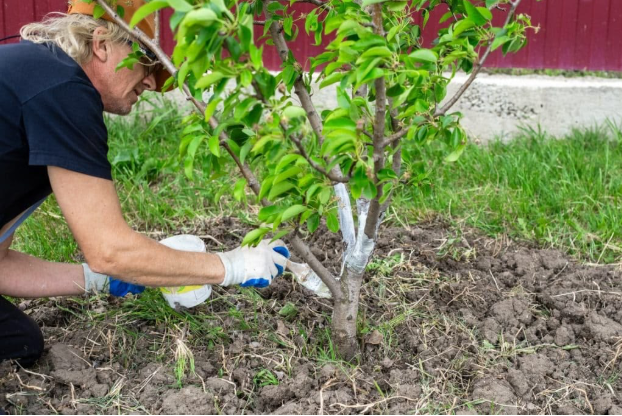
Urban trees are more than just scenery. They clean the air, provide shade, and create a sense of calm in bustling cities. But like all living things, trees need care. One of the most effective ways to support their health is through proper tree trimming. This practice not only helps individual trees thrive but also enhances the overall look and safety of urban green spaces.
Enhancing Tree Health Through Tree Trimming
Tree trimming, sometimes called pruning, involves selectively removing branches to improve a tree’s structure and vitality. Dead or damaged limbs can be removed to prevent disease and pest infestations. Regular trimming allows sunlight and air to reach the inner branches, encouraging strong growth. Healthy trees are better equipped to withstand storms and environmental stress. Professional tree trimming ensures that trees in cities remain robust and resilient.
Promoting Safer Urban Environments
Urban areas face unique challenges with trees growing near streets, sidewalks, and power lines. Trimming branches that interfere with traffic, signage, or electrical wires reduces hazards. Well-maintained trees lower the risk of falling limbs during storms. This not only protects people and property but also helps cities maintain a clean and organized appearance. Tree trimming is crucial for creating safe and welcoming urban spaces.
Encouraging Aesthetic Appeal And Public Enjoyment
A neatly trimmed tree adds visual harmony to parks and streetscapes. Balanced shapes and clear lines make green spaces more inviting for walking, jogging, and community gatherings. Thoughtful trimming can enhance the natural form of a tree without compromising its health. By keeping trees attractive, cities encourage residents to engage with nature, which improves mental well-being. Tree trimming directly contributes to the beauty and enjoyment of urban greenery.
Supporting Long-Term Growth And Canopy Expansion
Pruning small branches early can shape the tree for long-term growth. Strategic trimming prevents overcrowding of limbs and reduces competition for sunlight. Over time, this allows trees to develop strong, well-spaced branches. Strong trees form expansive canopies that provide more shade and reduce urban heat islands. Tree trimming is an investment in the future, helping green spaces thrive for generations.
Controlling Disease And Pest Infestations
Diseased or infested branches can quickly spread problems to the rest of the tree and surrounding plants. Trimming affected limbs isolates the issue, slowing or stopping the spread. Early intervention saves trees from severe damage and reduces maintenance costs for cities. With regular care, urban forests stay healthy and vibrant. Tree trimming is a frontline defense against disease and pests.
Strengthening Community Connections With Nature
Well-maintained green spaces foster social interaction. Parks with healthy, trimmed trees become hubs for community activity. Residents feel pride in their surroundings and are more likely to support urban forestry initiatives. These spaces encourage outdoor recreation and environmental awareness. Tree trimming plays a key role in building strong connections between people and nature in cities.
Conclusion
Tree trimming is more than a maintenance task—it’s a cornerstone of urban forestry. From improving health and safety to enhancing aesthetics and community enjoyment, trimming supports strong growth and better green spaces. Cities that prioritize proper tree care see lasting benefits for both their trees and residents. By investing in regular tree trimming, urban areas can cultivate thriving, resilient, and beautiful natural environments.